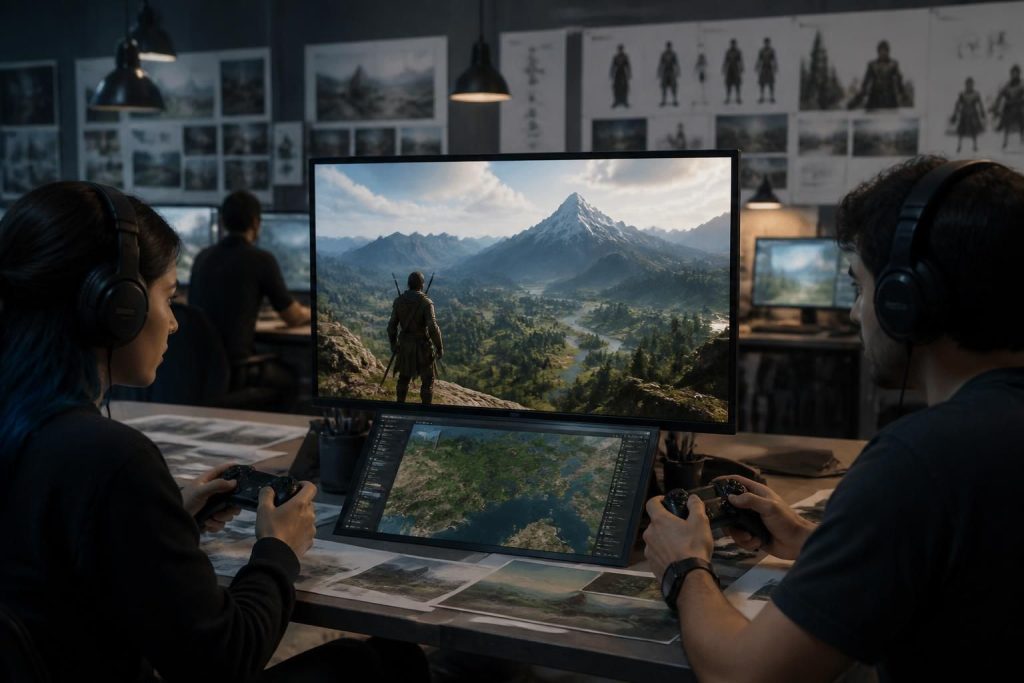
Understanding Open-World Game Design: A Comprehensive Overview
Open-world game design has evolved significantly over the years, creating expansive digital landscapes that allow players to explore, interact, and influence the environment in myriad ways. Unlike linear games that guide players through a fixed narrative, open-world titles offer a branching experience where decisions can lead to diverse outcomes. This flexibility is a hallmark of the genre, providing players with a sense of freedom and agency. As developers continue to innovate, the design principles of open-world games are adapting to cater to the diverse preferences of players across different regions.
Regional Preferences: The Heart of Open-World Game Design
One of the most compelling aspects of open-world game design is its ability to resonate with players based on their cultural and regional backgrounds. For instance, a game like “Genshin Impact” integrates various cultural elements and mythologies, appealing to a broad audience, especially in Asian markets. In contrast, Western-oriented games often emphasize themes of individualism and heroism, reflecting different societal values.
The incorporation of regional preferences can manifest in various ways, from language localization to the inclusion of culturally relevant storylines and character designs. Developers increasingly prioritize these aspects, understanding that a game’s success can hinge on its cultural authenticity. Games that embrace regional tastes often see improved reception and player engagement, as they resonate more deeply with their target audience.
Technological Advancements Shaping Open-World Game Design
Advancements in technology are driving the evolution of open-world game design, allowing developers to create richer, more immersive environments. Modern engines like Unreal Engine and Unity have made it easier to build vast landscapes with intricate details, enabling realistic weather systems, dynamic day-night cycles, and sophisticated AI behavior.
The rise of cloud gaming platforms has further enhanced accessibility, allowing players from various regions to experience these expansive worlds without the need for high-end hardware. As games become more graphically intense and complex, developers are also exploring the use of artificial intelligence to create living, breathing worlds that react to player actions. This adaptability is crucial in maintaining player interest and engagement over time.
Player Engagement and Interaction in Open-World Games
Player engagement is a fundamental component of open-world game design, and developers are innovating new ways for players to interact with the environment. Many games now include features such as branching storylines, side quests influenced by player choices, and environmental interactions that add layers to the gameplay experience. For instance, titles like “Red Dead Redemption 2” offer players the freedom to make choices that not only affect the narrative but also influence the game world itself, creating a unique experience for each player.
Moreover, the integration of multiplayer features has transformed how players interact within open-world settings. Cooperative and competitive modes allow players to team up or face off against one another, fostering community and enhancing the overall experience. This layer of interaction can lead to varied outcomes and a more dynamic gaming environment. For more on this topic, see crypto betting ID.
Challenges in Open-World Game Design
While open-world game design presents exciting opportunities, it also comes with its share of challenges. Balancing the sheer size of the game world with meaningful player experiences can be difficult; too much space without engaging content can lead to feelings of emptiness or boredom. Developers must carefully curate activities and quests to ensure they provide value, keeping players invested in the game.
Another challenge lies in optimizing performance. As game worlds expand, so do the technical demands placed on systems, particularly in regions where players may not have access to high-performance hardware. Developers are increasingly focusing on optimization techniques to maintain fluid gameplay without sacrificing the richness of the open-world experience.
Conclusion: The Future of Open-World Game Design
The evolution of open-world game design is a testament to the industry’s responsiveness to player preferences and technological advancements. As developers continue to embrace regional diversity and innovate with gameplay mechanics, the genre will likely grow even more intricate and engaging. The ongoing challenge of balancing vast environments with meaningful content will persist, but as technology improves, so too will the ability to create immersive worlds that resonate with players globally. Ultimately, the future of open-world game design holds exciting possibilities that promise to further enrich the gaming landscape.
For those interested in exploring new avenues, the intersection of gaming and technology continues to expand, leading to innovative experiences that cater to a diverse range of players. Whether through collaborative play or dynamic environments, open-world game design is poised to remain at the forefront of the gaming world.
Additionally, for those looking to explore the latest trends in online platforms, https://stakeobet.com/ provides a comprehensive overview of various gaming options.
As this genre continues to evolve, it will be interesting to see how open-world games adapt to the changing landscape of player preferences and technological advancements, ensuring they remain a vital part of the gaming narrative.